
Guia de leitura
Gouzañv ar 9nbet 45 : Platfoma c'hoari ha kazin enlinenn
Gouzañv ar 9nbet 45 : Platfoma c'hoari ha kazin enlinenn Danvez Kentañ goulennoù diwar-benn 9nbet 45 Kazin enlinenn ha Slotoù Fortune Tiger enlinenn Marc'
Ler artigo ↗Table games attract those who like more direct decisions, clear rules, and matches in which every move matters. On 9nbet, the focus is on explaining formats, comparing styles, and highlighting what is worth observing before choosing a table: dynamics, variation, simplicity of the rules, and compatibility with your way of playing.
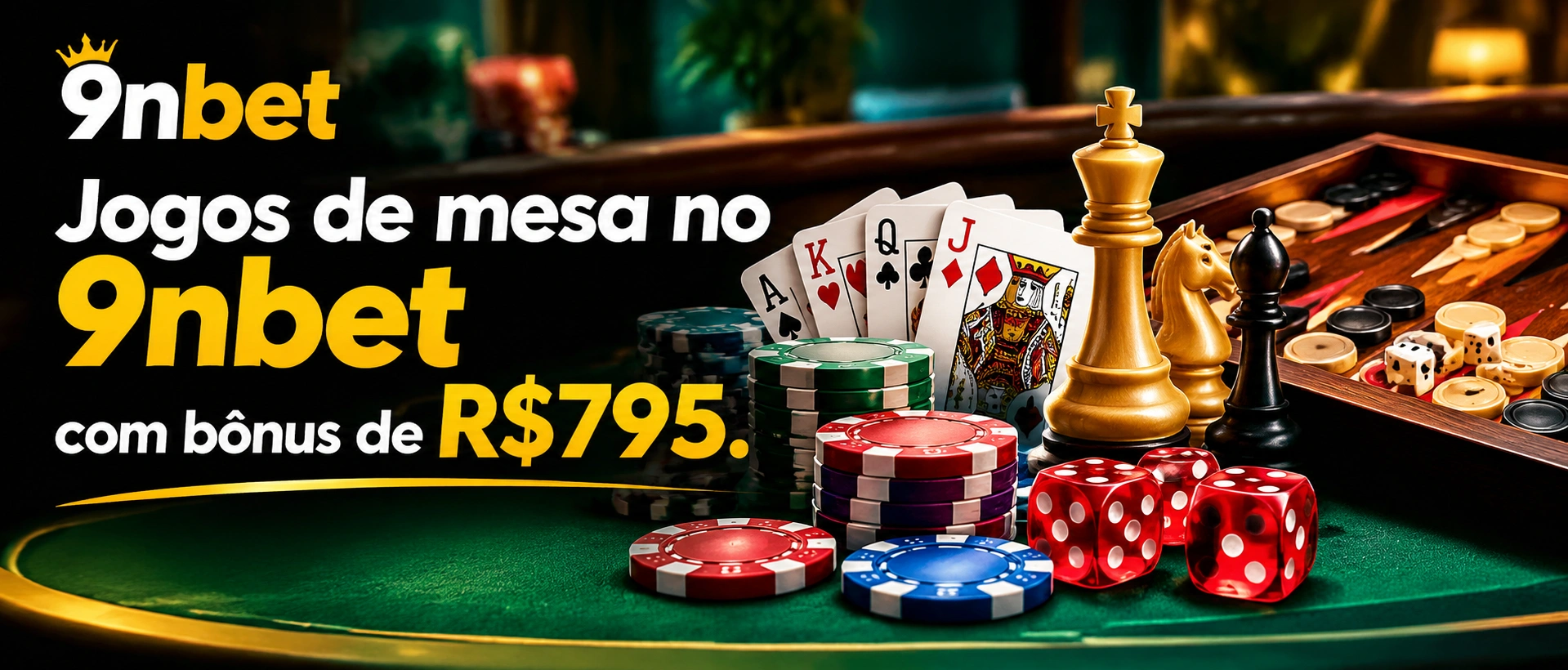

Not every table speaks to the same type of player. Some formats call for constant reading of the flow of the match; others deliver a more straightforward experience, with fewer steps and quicker decisions. Before choosing, it is worth looking at three points: rule complexity, round speed, and the level of involvement you want to maintain during the game.
If the explanation fits into a few minutes and the flow feels natural right from the start, the adaptation curve tends to be smaller.
There are tables where the action moves quickly and others where each round calls for more reading. The best format is the one that matches your attention at that moment.
Some games are more intuitive; others require constant comparison between alternatives. This completely changes the feel of the session.
When the format lets you follow what is happening more easily, it becomes simpler to play consistently and without rushing.
Beyond looking at the main rule, observe how the table distributes attention throughout the session. There are games where you participate all the time, analyzing each step, and others where your intervention appears at more spaced-out moments. If you prefer a lighter experience, it is worth looking for formats with simple reading and few accumulated decisions. When you enjoy following details, tables with more layers can make the match more engaging and less repetitive.
Another important point is how the table handles your patience and your focus. Some games call for continuous observation, comparison of possibilities, and a quick response to what happens in the round. Others allow you to breathe between one decision and the next, which can be better at times of lower concentration. Knowing how to recognize this pace helps avoid choices that wear you out too soon and makes the experience more aligned with your way of playing.
It also makes a difference to understand whether you are looking for predictability or variety. In some tables, the path of decisions is more direct and the objective is clear from the start. In others, small changes in context can greatly alter how the game is read, requiring constant adaptation. Those who like stability usually feel more comfortable with consistent formats; those who prefer novelty tend to enjoy tables with more dynamism and strategic reading.
Interaction with the table environment is another aspect that can increase interest. When the game lets you observe the flow clearly, identify patterns, and see how each step connects to the next, the session gains more meaning. This does not depend on complexity, but on organization. A well-structured table makes it easier to understand what is at stake and reduces the feeling of merely reacting without context.
If your goal is to play more comfortably, also think about how well the table fits your available time. More direct games work better when you want to enter and leave the experience without much preparation. More elaborate tables, on the other hand, usually make more sense when you are willing to follow the full logic of the match. This relationship between time, attention, and depth is what usually determines whether the experience feels smooth or heavy.
In the end, what makes a table more interesting is the combination of clarity, pace, and participation. There is no single ideal format for everyone, because each player values a different kind of involvement. When you understand whether you want more simplicity, more reading, or more variation, it becomes much easier to choose a table that keeps your interest from start to finish without feeling forced.
A good comparison does not just separate game names; it shows how each format behaves in practice. Use the table below as a quick read to identify the type of table that best matches what you are looking for.
| Format | Reading | Pace | Profile of those who usually like it |
|---|---|---|---|
| Blackjack | Objective rules and frequent decisions. | Moderate | Those who like to follow each choice closely. |
| Roulette | Simple flow and direct visual reading. | Variable | Those who prefer a more immediate experience. |
| Baccarat | Short structure and easy-to-follow dynamics. | Fast | Those who want matches with little operational complexity. |
| Poker | More analysis, more reading, and more context per round. | Variable | For those who appreciate strategy and constant observation. |
If you want to jump in, understand, and keep up without too much effort, simple-reading formats are usually the most natural entry point. They help you focus on the flow of the game instead of memorizing too many details.
If the idea is to observe patterns, weigh choices, and follow the game more calmly, it is worth prioritizing tables where each round’s decision makes a difference.
Before entering a table, a simple guide helps avoid rushed choices. The goal is not to make the start complicated, but to reduce noise and make the experience more consistent with your profile.
Table games keep their place because they deliver something many players value: recognizable structure, a sense of progress, and a clearer relationship between decision and result. Instead of relying only on visual stimulation, they usually invite the user to follow the logic of the round. This makes a difference for those who like to understand what is happening, recognize patterns, and choose more consciously.
At 9nbet, coverage of this topic prioritizes practical explanation. The idea is to help the reader identify what each format offers, without promising an advantage or result. When it comes to tables, the best experience usually starts with a good read: understanding the rules, observing the pace, and choosing a path that matches your moment.
In many cases, yes. Several formats have objective rules and a repetitive flow, which helps with adaptation. The ideal is to start with the game whose logic feels most natural to you.
Think about the kind of attention you want to devote. If you prefer short decisions and a direct pace, choose simpler tables. If you like analyzing scenarios, a more tactical format may make more sense.
Yes, because comparison helps avoid choices based only on name or popularity. When you look at pace, rules, and decision style, the choice becomes more conscious.
You can go to pages like live casino, slots, bonuses and responsible gaming to expand your reading on the topic.
If your idea is to compare tables with other formats, it is worth moving on to content that goes deeper into rules, dynamics, and usage context. 9nbet brings together useful pages for those who want to read before choosing.


Guias para aprofundar o assunto, no seu ritmo.
Gouzañv ar 9nbet 45 : Platfoma c'hoari ha kazin enlinenn Danvez Kentañ goulennoù diwar-benn 9nbet 45 Kazin enlinenn ha Slotoù Fortune Tiger enlinenn Marc'
Ler artigo ↗
{"error":{"message":"Your account balance is insufficient. Please recharge to continue using the service.","type":"insufficient_balance","source":"system","deta
Ler artigo ↗
Tudo sobre ɓet: Estratégias, Funcionalidades e Mercado Conteúdo Introdução ao ɓet Funcionalidades e Recursos Mercado e Apostas Aplicativos e Acesso Termos
Ler artigo ↗